


I can barely remember what I did three days ago, let alone that idea I had on the commute home that felt so obvious at the time.
The biological brain is remarkable at pattern recognition, creativity, and judgment. It's genuinely bad at storage.
Which is why, for centuries, humans have built systems to remember for them.
What began as handwritten notebooks has evolved into something a Renaissance scholar would barely recognize — yet the underlying problem has always been the same: we think better than we remember, and we've always needed somewhere to put what our brains couldn't hold.
It started with the Commonplace Book. From the 1400s through the 1800s, scholars, theologians, and political thinkers kept personal notebooks — not diaries, but repositories. Quotes, observations, arguments, ideas worth revisiting. Simple but effective: write it down so you don't lose it.
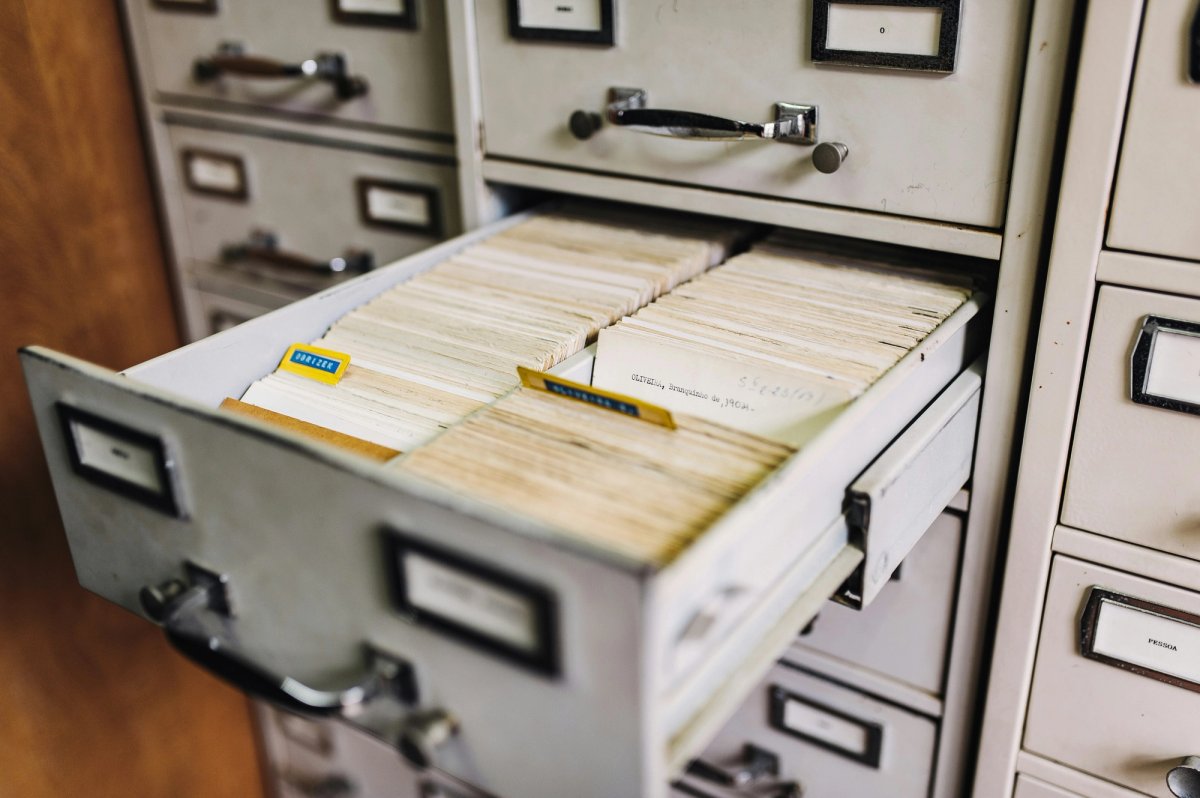
Zettelkasten, German for "slip-box" or "note-box", took that further. Popularized by sociologist Niklas Luhmann in the 20th century, the shift was subtle but important. Each individual idea was written on a single note card, and, instead of filing ideas into fixed categories, you cross-reference and link related notes to each other, mimicking how the human brain naturally forms associations. Over time, as the network of notes grows, larger themes, insights, and patterns naturally emerge. It wasn't just storing anymore — it was connecting.
Then came the digital shift. Tools like Evernote, Notion, and Obsidian brought the same principles into everyday life — notes on your phone, searchable, synced across devices. The barrier to capturing dropped dramatically. But the fundamental dynamic stayed the same: you still did all the thinking and searching. The system just held things.
Tiago Forte brought the concept into the modern era with his book Building a Second Brain. The core idea was simple: your mind is for having ideas, not holding them. Capture everything worth keeping, organize it around what's actually relevant to your life and work, and build a repository you can pull from when you need it. It was a strong, practical framework — and it translated naturally into the digital tools people were already using. Notion, Obsidian, Evernote. The Second Brain gave those tools a methodology.
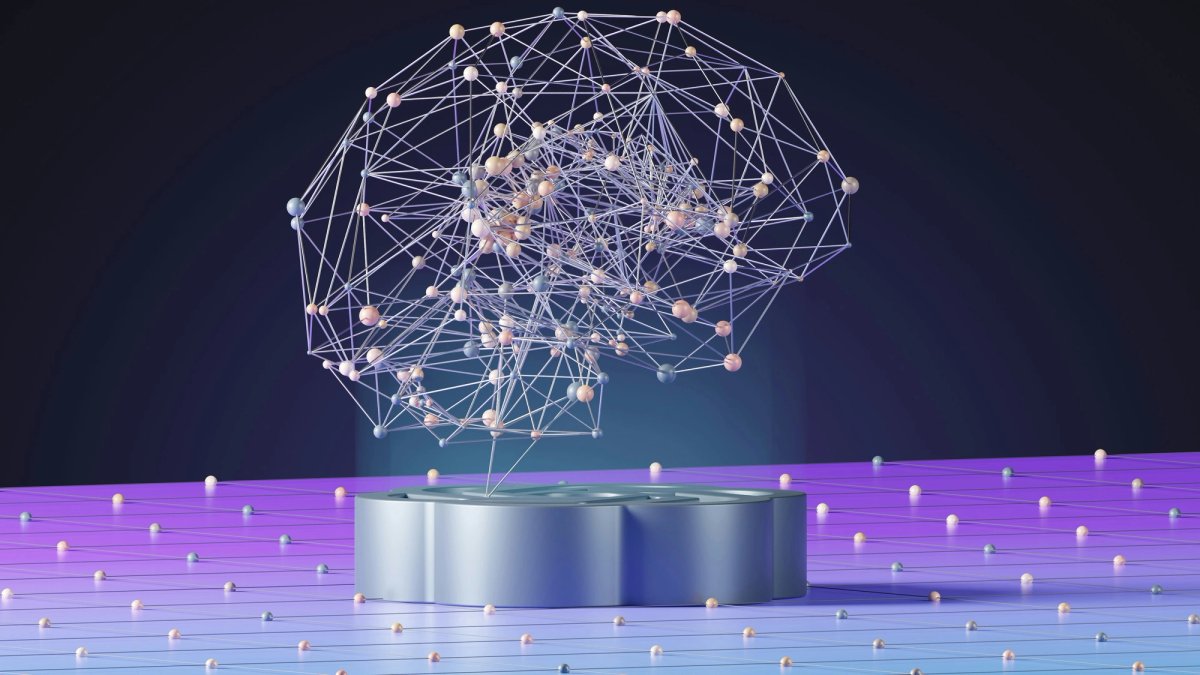
What's changed since is what those tools can do. Andrej Karpathy's concept of the LLM Wiki points toward the next step — instead of relying entirely on the human to search, connect, and interpret, AI can increasingly do that work alongside you. Surfacing patterns you'd forgotten. Reconstructing context after a busy period. Identifying themes across a body of work too large to hold in your head. The Second Brain framework becomes the foundation. AI becomes the layer that makes it active rather than passive.
Today these systems show up everywhere. A researcher tracking sources and ideas across a years-long project. A professional keeping a running record of decisions, lessons, and frameworks across roles and companies. Someone building a personal knowledge base they can actually query instead of just search. Even companies are loading their entire working knowledge into AI systems — documentation, processes, institutional memory — so it can be retrieved and used in ways a simple search never could. The tools vary, the scale varies, but the underlying problem is always the same: we have more coming at us than we can hold, and we need somewhere to put it that we can actually find and use later.
None of this is new. What's new is what's possible within it. The people integrating AI into how they manage knowledge are starting to operate at a level of insight that the old systems simply couldn't reach.
And that shift matters beyond just being more productive.
Life today is fragmented. We're constantly switching between contexts, roles, demands. The challenge isn't really about remembering more — it's about staying coherent through all of it. Holding onto the thread of who you are and what matters to you when everything is pulling for your attention.
Karpathy put it well: "You can outsource your thinking, but you cannot outsource your understanding." These systems aren't a replacement for human judgment — they're what frees you up to exercise it. When AI handles the storing, connecting, and surfacing, you get back the mental capacity to actually make sense of what it shows you. To understand it. To decide what to do with it. That's the part only you can bring.
It's worth asking where in your life you're still losing the thread — and whether a better system could help you hold it. Work is the obvious starting point. But the same principles apply anywhere you want to think more clearly, remember what matters, and actually learn from your own experience.